
Yunnengtian · Vision-Based Cloud Observation

Vision + Meteorology

A technology company focused on vision-based cloud observation

Anhui Yunnengtian develops, manufactures, sells and supports all-sky imagers and automatic cloud cover observation instruments, using all-sky imaging and intelligent recognition to automate cloud cover and cloud type observation for meteorological stations, solar power plants and research.

180°All-sky field of view
0–10tenthsCloud cover range
8–14μmInfrared band (ASC200)
Day & nightContinuous cloud cover (ASC200)

Three instruments. Distinct observation needs.

From ultra-compact visible-light sky imaging to continuous day-and-night cloud cover and project-specific cloud height observation.

Visible lightULTRA-COMPACT & INTEGRABLE
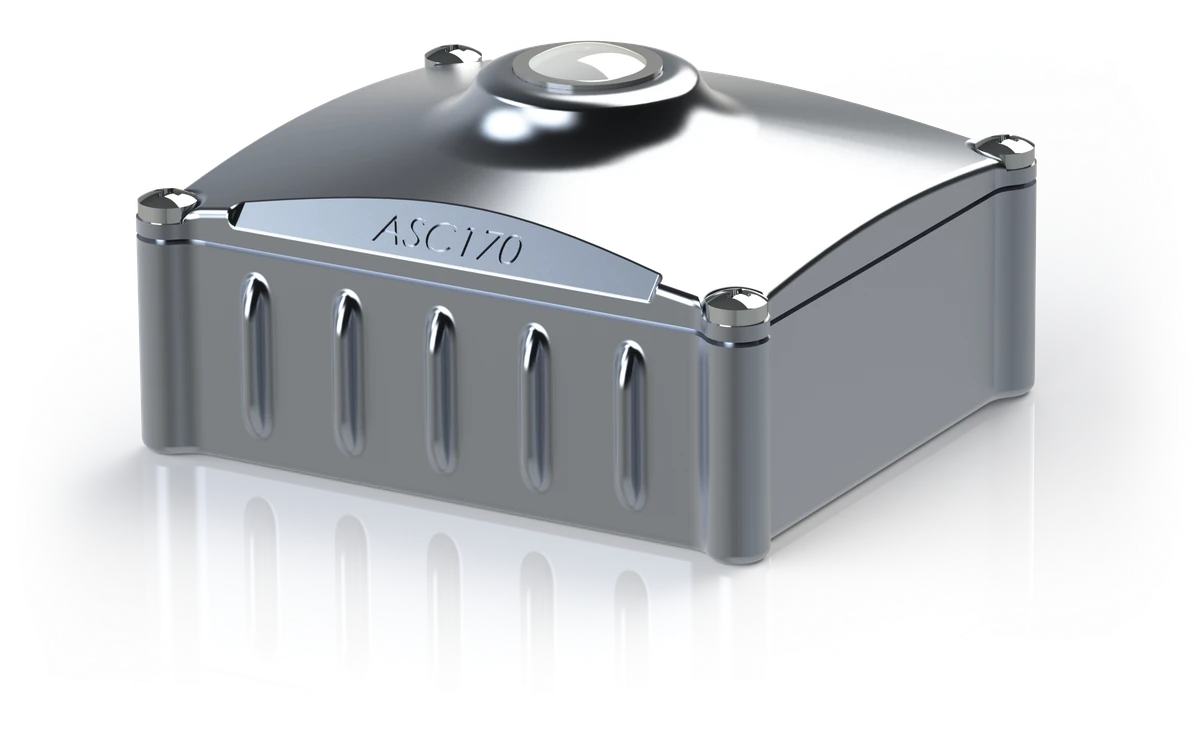
ASC170 All-Sky Imager · product rendering
Product rendering

ASC170 All-Sky Imager

Ultra-compact visible-light all-sky imager with total, thin and thick cloud cover and cloud-type candidates, designed for integration into other equipment.

180°0–10 tenthsIP66400 g
Explore instrument →
Visible + infraredDAY & NIGHT
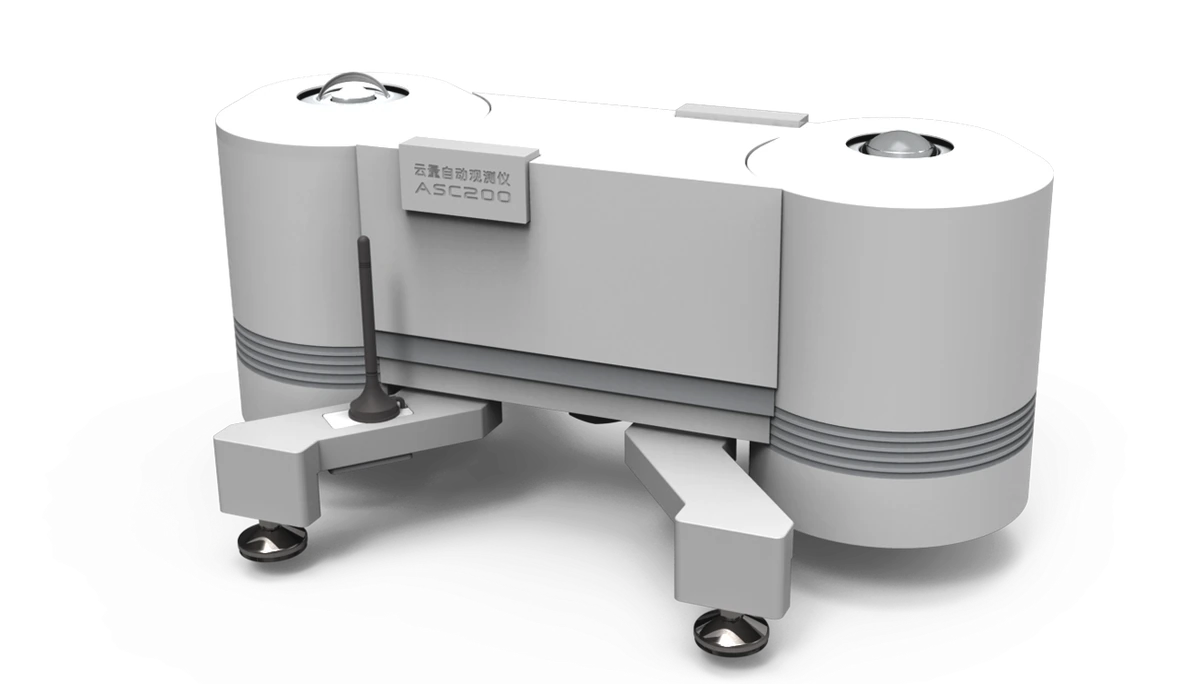
ASC200 Cloud Cover Observation Instrument · product rendering
Product rendering

ASC200 Cloud Cover Observation Instrument

Visible-light and infrared observation provides visible, infrared and combined cloud cover, day and night.

8–14 μmDay & nightIP65AC220V
Explore instrument →
Visible + infraredPROJECT-SUPPLIED
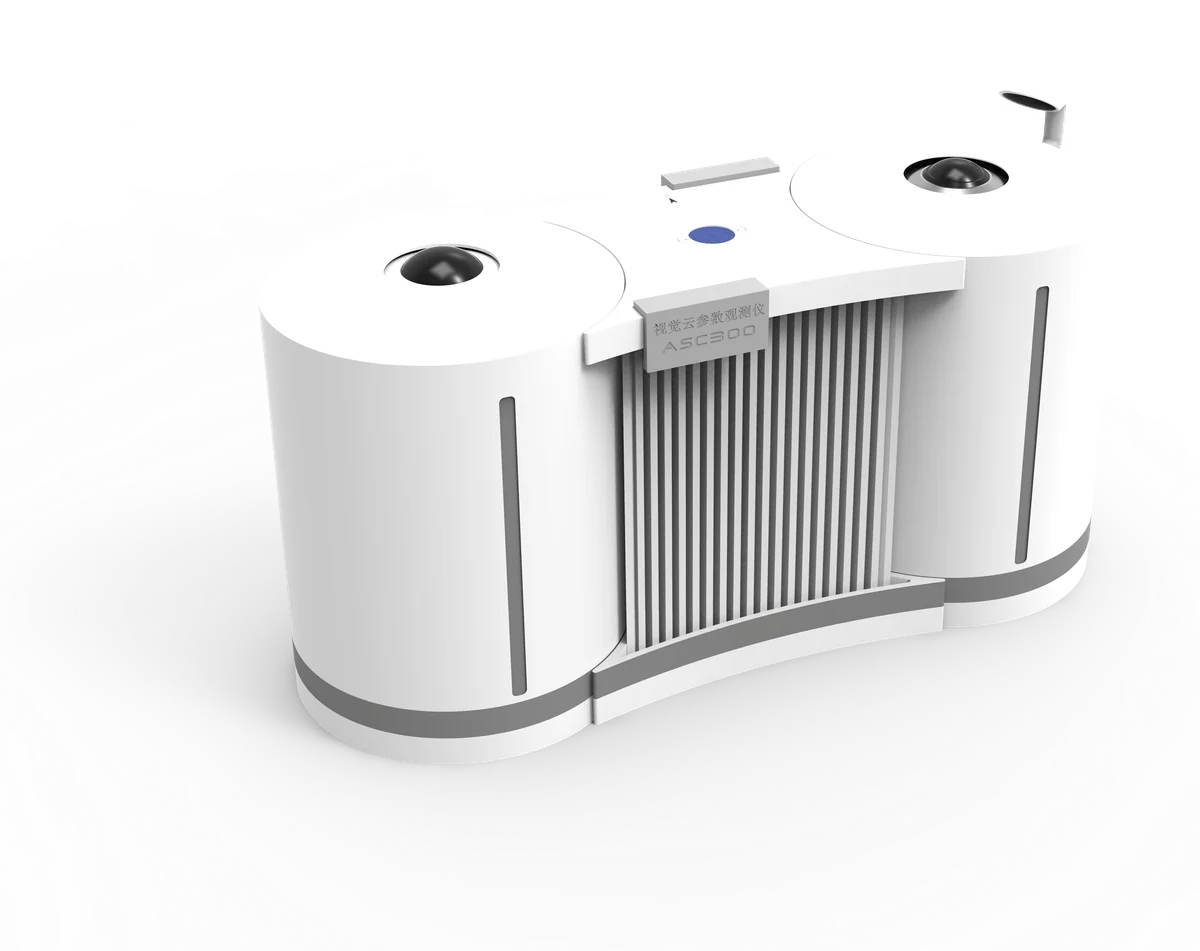
ASC300 All-Sky Imager · product rendering
Product rendering

ASC300 All-Sky Imager

Visible-light and infrared imaging for cloud cover, cloud height and cloud type, with optional outputs such as cloud temperature.

8–14 μm≥3000×3000Cloud heightIP65
Explore instrument →

Start with your requirements

ASC170

Daytime observation & integration

For cloud cover and cloud types, a compact footprint, low-voltage power and integration into your own system.

Explore ASC170 →
ASC200

Continuous day-and-night records

For nighttime cloud cover or continuous observations at meteorological stations.

Explore ASC200 →
ASC300

Cloud height and project-specific observation

For cloud height, high-resolution dual-band sky images, or project options such as cloud temperature.

Explore ASC300 →
View the complete comparison →

Put sky observations to work

01

Meteorological stations

Automatic cloud cover and cloud type observation. ASC200 observes day and night; ASC170 integrates into automatic weather stations.

Meteorological station applications →
03

Atmospheric research

All-sky images, cloud cover and cloud type results; ASC200 data appear in several published papers.

Research applications →
04

Aviation & marine

ASC300 is used at Hefei Xinqiao International Airport and Changbaishan Airport, and was customized for a marine cloud and fog observation vessel.

Airport and marine applications →
See all applications and cases →

Cloud observation for solar PV plants

Cloud shading is the main cause of minute-scale fluctuations in PV output. Installed at a PV plant, an all-sky imager captures continuous all-sky images and outputs cloud cover and the distribution of thin and thick clouds, providing cloud observations for nowcasting and ultra-short-term power forecasting. Compact ASC170 integrates into PV environmental monitoring equipment; ASC200 adds an infrared channel for day-and-night observation; ASC300 observes cloud height and can add thin and thick cloud cover outputs as a project option. Yunnengtian supplies instruments and data interfaces, not power forecasting software or services.

Straight answers to common questions

01

How do all-sky imagers and cloud cover instruments differ?

ASC170 is a compact visible-light all-sky imager (67×65×39 mm, 400 g), powered by DC12V or DC5V. It outputs cloud cover and cloud-type candidates for daytime observation and integration. ASC200 adds 8–14 μm infrared observation for continuous day-and-night cloud cover.

02

Can ASC170 measure cloud cover at night?

No. ASC170 uses visible light and is intended for daytime observation. Choose the infrared-equipped ASC200 for nighttime or continuous day-and-night cloud cover.

03

What does cloud cover in tenths mean?

The sky is divided into ten parts: 0 means clear sky and 10 means fully overcast. ASC170 reports 0–10 tenths in its web interface and CSV files, and 0–100 over RS485. Tenths are different from the eight-part okta scale used in aviation.

04

How do I integrate observations into an existing system?

RS485 outputs data at the configured interval, with fields determined by the transmission mode. Each observation is written to CSV and can be uploaded to a server using FTP. You can also view and download data through the device web interface.

PRODUCT & TECHNICAL ENQUIRIES

Tell us what you need to observe

Include your name, organization, contact details, observation goals, installation location and required interfaces.